With Banned Books Week spanning from October 4-10, 2026, it is fitting to take notice of the deep connection between music and children’s literature.
Music and language are commonly interconnected and in fact, share many similar characteristics. Both music and language utilize hierarchical structures that build off of smaller units (ex: phonemes in language & notes in music) to create something bigger (ex: sentences, stories, songs). Music and language both have melodic and rhythmic patterns that assist in conveying contextual information as well. Therefore, it is understandable that music may be utilized alongside children’s literature to support child development (Pino et al., 2023).
Historically, music has been presented alongside children’s books, and in the late 19th and early 20th centuries, sheet music was added to nursery rhymes and folktales. Music can add another auditory component to storytelling, supporting a multimodal approach to reading that may provide listeners with a variety of opportunities for engagement. Introducing music into children’s literature can support the development of musical skills such as pitch, melody, rhythm, and dynamics as well as assist children in better recognizing how concepts such as emotions are commonly conveyed via sound (ex: minor keys are often associated with sad or fearful emotions) (Lamb, 2023; Hall, 2023). Additionally, studies have found that musical skills, particularly those related to melody and rhythm, may predict language acquisition, and increased parental singing has been associated with increased language outcomes in young children (Pino et al., 2023).
All in all, incorporating music alongside children’s literature may positively support language development and music education as well as encourage imaginative play and a general enjoyment of reading and the arts. Books can provide us with opportunities to learn about worlds different than our own and cultivate empathy, compassion, and acceptance of others as well.
Banned Books Week, an annual event that emphasizes the importance of free and open access to information, takes place during the last week of September or first week of October. This event was created in response to increased book bans and challenges in facilities such as libraries and schools in the early 1980s, and while most book bans are for young adult and adult titles, a small percentage of bans are for picture books (American Library Association, 2026; Tolin, 2025).
Below are just a few of the picture books that have been banned in some U.S. public schools that may engage young folks as standalone stories and/or as musical stories.
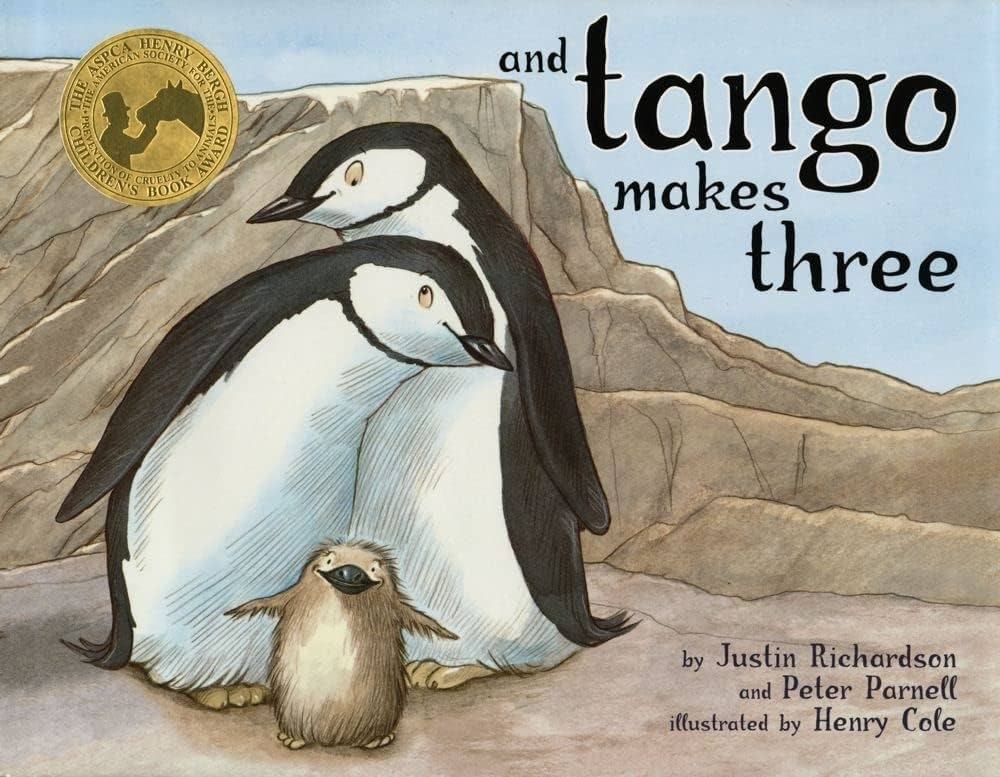
And Tango Makes Three
Written by Justin Richardson & Peter Parnell
Illustrated by Henry Cole
This book tells the true tale of a couple of male penguins who adopt a baby penguin.
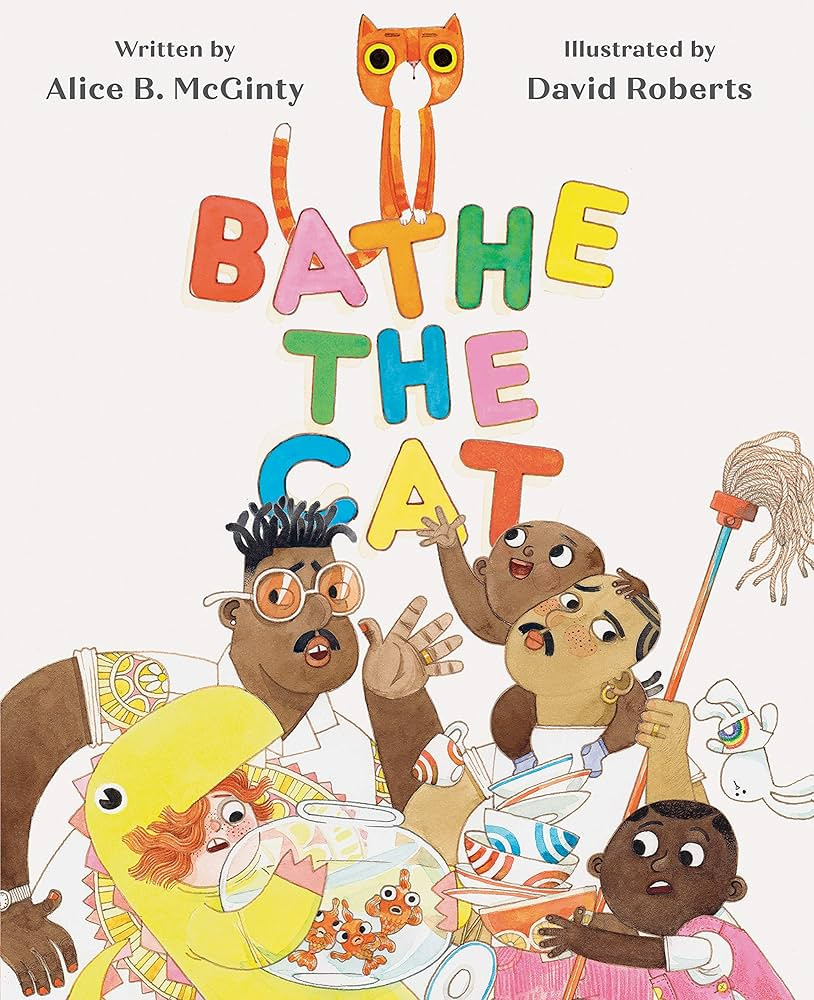
Bathe the Cat
Written by Alice B. McGinty
Illustrated by David Roberts
A family’s attempts to complete chores are thrown into chaos by their nifty cat.
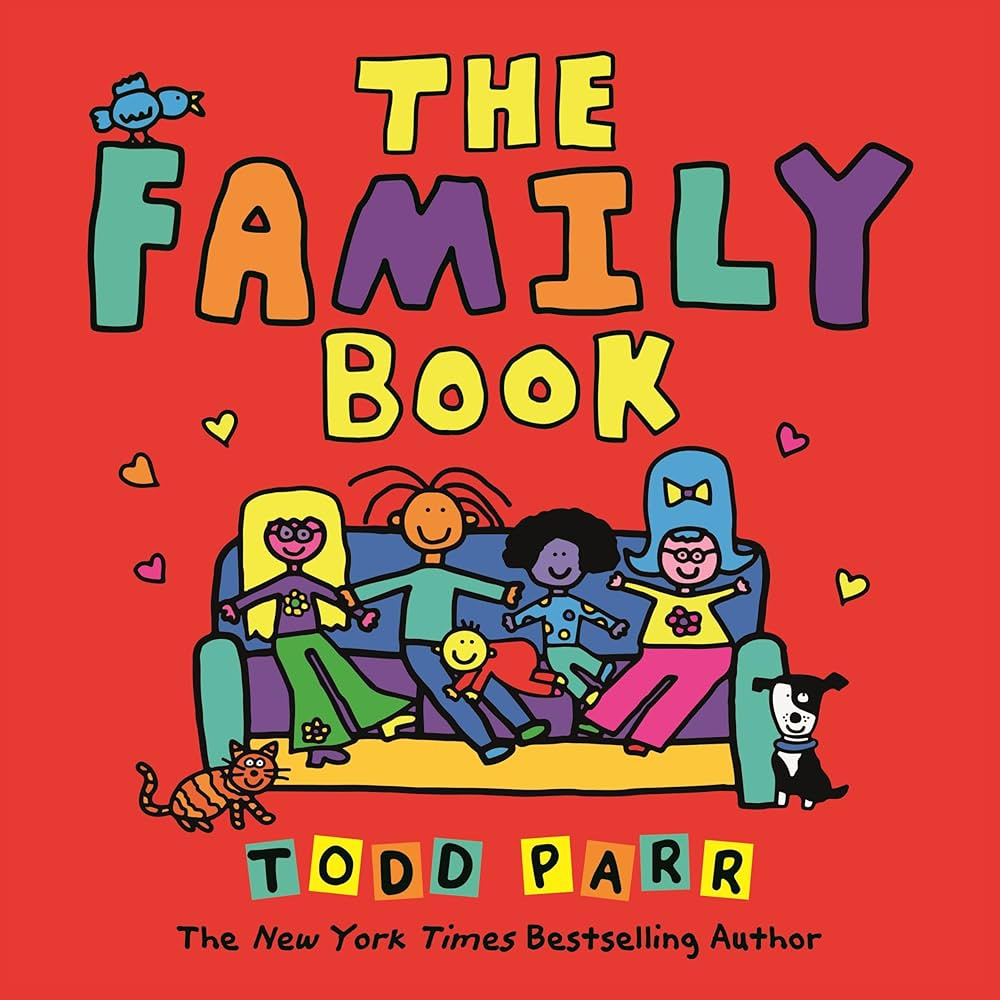
The Family Book
Written & Illustrated by Todd Parr
This book celebrates and uplifts families of all kinds.
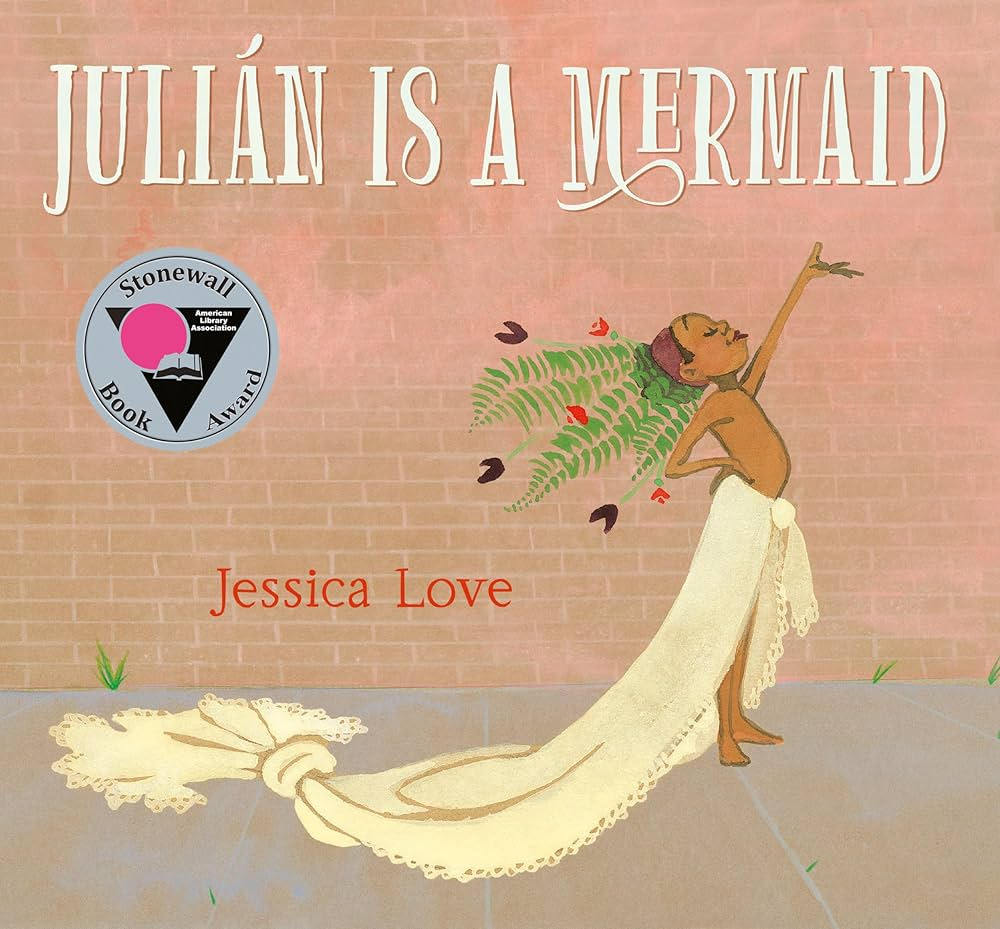
Julián is a Mermaid
Written & Illustrated by Jessica Love
A young boy utilizes household items to transform into a mermaid, inspired by participants of the Coney Island Mermaid Parade
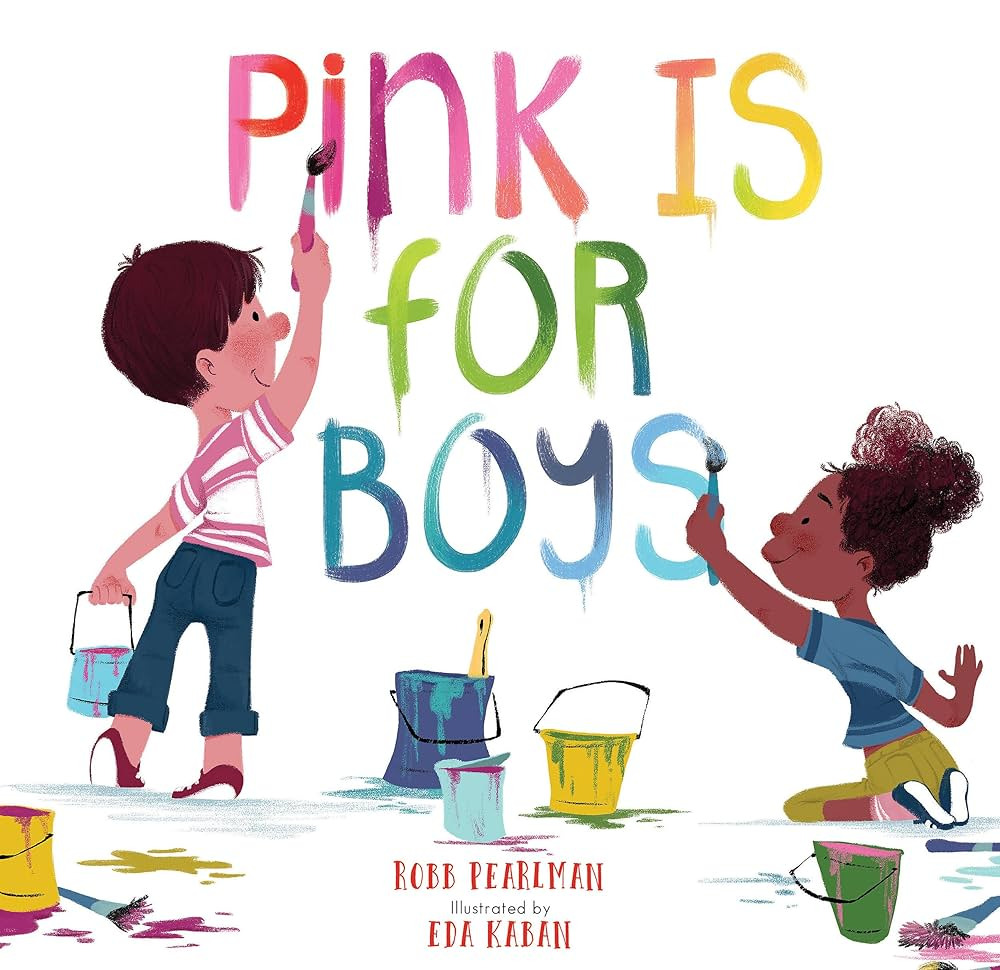
Pink is for Boys
Written by Robb Pearlman
Illustrated by Eda Kaban
This short & sweet book supports the idea that colors are for everyone, regardless of gender
Citations
American Library Association. (2026). About. Banned Books Week. https://bannedbooksweek.org/about/
Hall, S. (2023, April 14). Children’s books: A great partner in the music classroom. National Association for Music Education. https://nafme.org/blog/childrens-books-a-great-partner-in-the-music-classroom/
Lamb, B. (2023, January 30). Read the beat: Music in children’s literature. WashU Libraries. https://library.washu.edu/news/read-the-beat-music-in-childrens-literature/
Pino, M. C., Giancola, M., & D’Amico, S. (2023). The Association between Music and Language in Children: A State-of-the-Art Review. Children (Basel, Switzerland), 10(5), 801. https://doi.org/10.3390/children10050801
Tolin, L. (2025, January 27). The 23 most banned picture books of the 2023-2024 school year. PEN America. https://pen.org/banned-picture-book-list-2024/